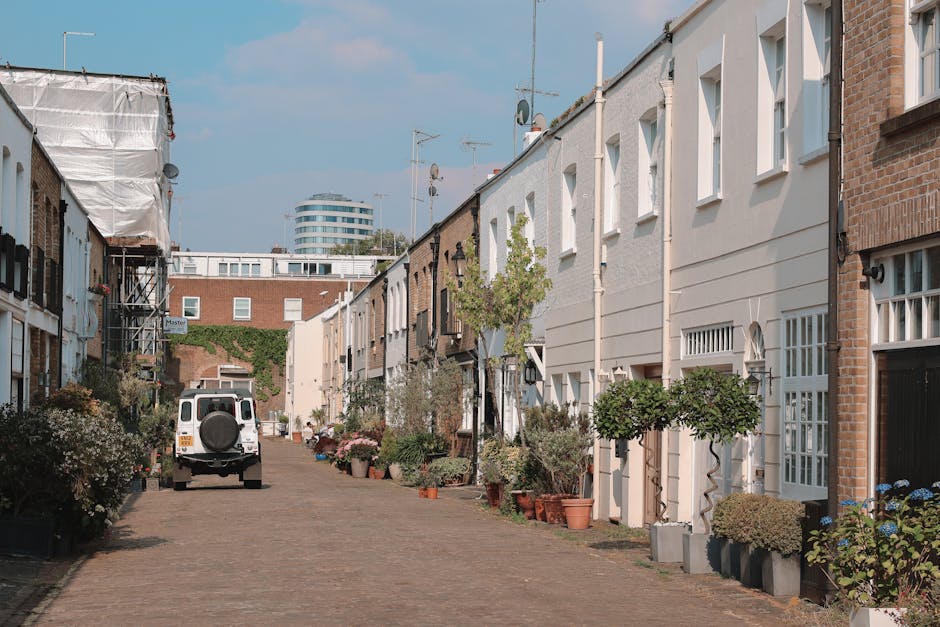
Best gardening for homes by Rotherhithe Tunnel and Mayflower

If you live near Rotherhithe Tunnel or around the Mayflower area, you already know the setting has its own rhythm: compact streets, water-side air, pockets of shade, and a mix of homes that need practical, not fussy, gardening. The best gardening for homes by Rotherhithe Tunnel and Mayflower is not about overcomplicating things. It is about choosing planting, maintenance, and design that actually work in London conditions, day after day, through all the stop-start weather we get here.
That can mean a tidy front garden that looks sharp without demanding every weekend, a balcony or courtyard that feels calm rather than cramped, or a family garden that stays healthy despite pollution, shade, wind, and limited space. In this guide, we will walk through what matters, how it works, what to avoid, and how to make better decisions for your home. Along the way, you will find practical advice, a comparison table, a checklist, and a simple real-world example. No fluff. Just useful stuff.
Why Best gardening for homes by Rotherhithe Tunnel and Mayflower Matters
Homes close to Rotherhithe Tunnel and the Mayflower area often face a few gardening realities that are easy to underestimate. The environment can be noisier and dustier than people expect. Some gardens get a surprising amount of shade from nearby buildings. Others feel exposed to gusts funnelled along streets or toward the river. Add in compact plots, shared boundaries, and the usual London space squeeze, and suddenly garden care becomes a genuine planning exercise.
That is why a one-size-fits-all approach tends to fail. The best gardening for homes by Rotherhithe Tunnel and Mayflower needs to be tailored to the property, not just the postcode. A planting scheme that looks lovely in a sunny suburban back garden can struggle badly in a narrow courtyard. Likewise, a neat lawn may sound ideal, but if the area is shaded for most of the day, you may end up with thin grass, moss, and more maintenance than reward.
There is also a lifestyle angle. For many households, the garden is not just decorative. It is where the kids play, where a cup of tea happens at 7am, where bikes are stored, where bins are screened, and where a bit of breathing space is found after a long day. Gardening for homes in this part of London works best when it supports real living, not magazine perfection. Truth be told, most people need a garden that behaves well, not one that behaves dramatically.
Good garden planning matters for long-term value too. Tidy, well-kept outdoor space can make a home feel more settled and cared for. That does not mean expensive landscaping. Often the most effective changes are the quiet ones: structured planting, clean edging, better drainage, healthy soil, and regular maintenance. Small things. Big difference.
Expert takeaway: In this area, the best garden is usually the one that balances appearance, durability, and ease of care. If it looks good but cannot cope with shade, wind, or limited time, it is not really the best choice.
How Best gardening for homes by Rotherhithe Tunnel and Mayflower Works
At a practical level, the process starts with understanding your home's conditions. That means looking at sun, shade, wind exposure, soil, drainage, privacy, access, and how you actually use the space. A knowledgeable gardener will not just ask what you want it to look like. They will ask what the garden needs to do.
For example, a north-facing rear garden near the Tunnel may need shade-tolerant planting, moisture management, and careful hardiness choices. A small terrace by the Mayflower side might benefit more from vertical planting, container groups, and smart paving than from a lawn that never really settles. The better the diagnosis, the better the result. Simple as that.
Working well also means pacing the job. Not every garden needs a complete overhaul. Sometimes the right answer is regular maintenance plus one or two changes, such as pruning, re-mulching, repotting, or replacing tired plants with stronger, better-suited varieties. Other times, a full redesign makes more sense, especially where the layout is awkward or the planting has got overgrown and patchy.
In our experience, homes in this part of London often benefit from a layered approach:
- Assessment: what is thriving, what is failing, and why.
- Clean-up: clearing dead growth, weeds, and clutter so the space can breathe.
- Structure: defining borders, paths, seating, screens, and focal points.
- Planting: choosing reliable species for the real conditions, not just the hopeful ones.
- Maintenance plan: keeping the garden under control through the year.
If you are using a professional service, it is worth checking what is included. A good provider should be clear about scope, timing, and safety. If you want to understand the wider range of support available, the services overview is a useful place to start, and the team's about us page can help you judge whether their approach feels experienced and local.
Key Benefits and Practical Advantages
The benefits of getting the gardening right are both visual and practical. Yes, it looks better. But more importantly, it works better. A garden that suits the local setting is easier to maintain, more pleasant to use, and less likely to become one of those jobs you keep putting off because it feels overwhelming.
Here are the main advantages households tend to notice:
- Less ongoing stress: good design and planting reduce constant rescue work.
- Better use of space: even a small garden can feel much larger when organised well.
- Improved privacy: hedging, screens, and planting can soften overlooked spaces.
- More seasonal interest: the garden keeps something going through the year, not just in summer.
- Healthier plants: right plant, right place. It really does matter.
- Cleaner presentation: neat edges, healthy soil, and manageable growth create a calmer feel.
- Higher confidence in upkeep: when the system is sensible, you are more likely to keep it going.
One often overlooked benefit is resilience. London gardens can be a bit moody. One week they are baking in weak sun, the next they are waterlogged after a heavy downpour, and then there is a stretch of wind that makes all the pots rattle like they are auditioning for something. Gardens built around resilience tend to recover faster and look decent for longer. That is the quiet win.
There is also a mental benefit. A tidy, planted outdoor space changes how a home feels when you step outside the back door. Even a narrow strip can feel restful if the planting is thoughtful and the maintenance is regular. Not fancy. Just calm. That counts for a lot.
Who This Is For and When It Makes Sense
The best gardening for homes by Rotherhithe Tunnel and Mayflower is relevant to a wider group of people than you might think. It is not only for homeowners with large gardens. In fact, some of the most valuable work happens in smaller, more awkward spaces where every decision matters.
This approach makes sense if you are any of the following:
- A homeowner who wants a garden that looks cared for without becoming a chore.
- A landlord or property manager needing reliable, presentable outdoor space.
- A busy family with little time for constant upkeep.
- Someone with a courtyard, patio, balcony, or compact back garden.
- A new resident trying to turn a tired outside area into something workable.
- A person who is fine with gardening, but not with guesswork.
It also makes sense if your current garden has specific problems: poor drainage, patchy grass, overgrown shrubs, too much shade, awkward access, or plants that keep failing. Those issues are common enough. Nothing unusual there. The key is not to keep repeating the same fixes and hoping for a different result. Gardens, annoyingly enough, do not improve by magic.
If you are unsure whether you need maintenance, redesign, or a bit of both, a professional consultation can help you avoid paying for the wrong thing. That is where pricing and quotes become useful, because clear scope is better than vague optimism. And if you want to speak to someone directly about your space, the contact us page is the sensible next step.
Step-by-Step Guidance
If you want the best results, think in steps rather than scattered jobs. A good garden rarely comes together in one rushed session. It is usually a sequence: assess, clear, shape, plant, maintain. That sounds obvious, but honestly, many problems begin when people jump straight to buying plants before they have dealt with the basics.
- Inspect the space carefully. Notice sun patterns, damp patches, broken paving, wind exposure, and areas that feel cluttered or bare.
- Decide what the garden needs to do. Is it mainly for relaxing, family use, storage, entertaining, or simply looking neat from the window?
- Clear the obvious problems first. Remove dead growth, weeds, damaged pots, and anything blocking access or light.
- Fix the structure. Sort edging, beds, paths, screens, and drainage before adding decorative planting.
- Choose planting for the conditions. Shade-tolerant, drought-tolerant, or wildlife-friendly plants should match the site, not the catalogue photo.
- Set a maintenance rhythm. Decide what needs weekly, monthly, or seasonal attention so the space does not slide backwards.
A lot of homeowners find it helpful to start with a small section rather than the whole garden. Front garden first. Or one border. Or the patio. That gives you momentum and a quick win, which is underrated. You look at the space and think, yes, this is moving. It is a good feeling.
If the work includes heavier clearance, difficult access, or large volumes of green waste, make sure the service is set up to handle disposal responsibly. The recycling and sustainability page is a useful reference point for understanding how green waste and materials may be managed.
Expert Tips for Better Results
Here is where a few practical habits can save you a surprising amount of time and money. These are not glamorous tips. They are the sort of things experienced gardeners tend to do almost without thinking, because they know what happens if you skip them.
- Match plants to light first, looks second. A beautiful plant in the wrong light soon becomes an expensive disappointment.
- Use containers strategically. In smaller London gardens, pots are not just decorative. They help with flexibility, structure, and seasonal changes.
- Mulch properly. A good mulch layer helps the soil hold moisture and reduces weed growth. It also makes borders look finished.
- Prune with restraint. Many shrubs are damaged more by over-pruning than by neglect. If in doubt, go lighter.
- Keep pathways clear. Tiny obstructions become annoying quickly, especially in wet weather.
- Choose a few strong features rather than many weak ones. A clean line of planting or one well-placed screen often beats five competing ideas.
There is also a simple design principle worth remembering: repetition creates calm. If you repeat a plant, material, or colour more than once, the garden feels more intentional. Too many one-offs can make even a decent space look busy and slightly confused. A bit like a room with too many cushions, to be fair.
Another tip: if you have low daylight or limited privacy, think upward as well as outward. Trellises, climbers, and narrow vertical features can do a lot in a small footprint. They make the eye travel, which is handy when space is tight.
Common Mistakes to Avoid
Most garden frustrations come from a few repeat mistakes. The good news? They are avoidable once you know what to watch for.
- Choosing plants for looks only. That lovely plant may hate shade, wind, or urban conditions.
- Ignoring drainage. A garden that stays wet after rain needs a fix, not just new plants.
- Overfilling small spaces. Too many pots, ornaments, or shrubs can make the area feel tighter than it is.
- Letting maintenance pile up. A little work now is easier than a giant rescue later. Much easier.
- Forgetting access. If bins, bikes, tools, or furniture need to move through the space, that needs planning.
- Skipping safety checks. Loose paving, unstable walls, or hidden trip hazards should be addressed promptly.
One very common problem in urban gardens is buying plants that need more sun than the site can reasonably offer. You see the label, you picture the future, and then six weeks later the leaves are sulking. Better to choose reliable, lower-drama plants that suit the garden's actual conditions.
Another trap is assuming that "low maintenance" means "no maintenance". It does not. It means less frequent, more sensible maintenance. There is a difference, and it matters.
Tools, Resources and Recommendations
You do not need a van full of equipment to keep a home garden in good shape, but a few well-chosen tools and services make everything easier. If you are doing some of the work yourself, basic items such as strong gloves, secateurs, loppers, a rake, a hand trowel, and a watering can are enough to cover a lot of ground. For larger gardens or regular maintenance, more specialised kit may be appropriate, but only if it genuinely earns its keep.
Useful practical support can also include:
- Seasonal tidy-ups to keep growth under control.
- Border refreshing to replace tired plants and improve structure.
- Hedge and shrub maintenance for shape and privacy.
- Waste removal and recycling after clear-outs or pruning.
- Safe handling of heavy items where access is awkward or surfaces are uneven.
When choosing a provider, it helps to check how they handle transparency, safety, and payment. The following pages are worth a look if you want the bigger picture: health and safety policy, insurance and safety information, payment and security, and terms and conditions. These are the sorts of details that rarely feel exciting, but they matter when work is being done on a lived-in property.
If you want to know more about the team behind the service, their about us page can help you understand the approach and expectations. That often says more than a slogan ever could.
Law, Compliance, Standards, or Best Practice
For home gardening, the main thing is not to overstate compliance as though every task is tightly regulated. Most garden care is a matter of best practice rather than formal legal obligation. Still, a good service should work carefully and sensibly, especially where safety, waste handling, privacy, and site conditions are involved.
In practical terms, that means looking for signs of responsible operation: clear communication, safe working methods, proper insurance, and reasonable care around tools, access routes, and fragile property features. If a team is pruning near shared boundaries, dealing with slippery surfaces, or moving heavy materials, caution matters. A lot.
Homeowners should also be aware of neighbouring properties, shared walls, and access arrangements. In dense parts of London, that is not a minor issue. It is part of the job. You do not want a perfectly planted border on your side and an awkward row with the neighbour on the other. A little planning goes a long way.
Environmental best practice matters too. Reuse where possible, recycle green waste responsibly, and avoid wasteful replacement of healthy material. Sustainable gardening is not about being perfect. It is about making choices that are easier on the garden and easier on the planet, without making life harder for the people who live there.
Options, Methods, or Comparison Table
There is more than one way to improve a home garden near Rotherhithe Tunnel and Mayflower. The best option depends on budget, time, condition, and how ambitious you want to be. Here is a simple comparison to help you think it through.
| Approach | Best for | Typical strengths | Possible drawbacks |
|---|---|---|---|
| Regular maintenance only | Gardens that are already mostly workable | Lower disruption, keeps things under control, predictable | Does not solve deeper layout or planting issues |
| Targeted improvements | Homes with a few clear problem areas | Good balance of cost and impact, easy to phase | Requires good diagnosis to avoid patchwork fixes |
| Full redesign | Overgrown, awkward, or outdated gardens | Can transform how the space feels and functions | More upfront planning, cost, and disruption |
| Seasonal tidy-up and refresh | Busy households or rental properties | Fast visual improvement, practical and flexible | Shorter-term solution if structure is poor |
For many local homes, targeted improvements are the sweet spot. They are realistic, affordable enough to sustain, and capable of creating a noticeably better garden without turning the whole place upside down. That is usually what people want, if we are honest.
Case Study or Real-World Example
Here is a realistic example based on a typical local setup. A homeowner in a compact terraced property near the Mayflower area had a narrow back garden with patchy grass, a shaded rear section, and a few tired shrubs that had become a bit of a jumble. The family used the space for small gatherings and wanted privacy, but they did not want a high-maintenance garden.
The first step was not planting. It was clearing. The overgrown material came out, the borders were redefined, and the worst of the clutter was removed. That alone made the space feel larger. Then the planting was adjusted for shade tolerance and structure. A few robust shrubs, some container planting, and improved edging gave the garden a calmer shape.
Instead of trying to force a lawn to behave badly in low light, the plan reduced the lawn area and gave priority to surfaces and planting that could cope better. The result was not dramatic in a flashy way. It was better than that. It became usable. The family could step outside, sit down, and not immediately notice what still needed doing. That is a real win.
Small change, big difference. Often that is how the best gardening works in homes around this part of London.
Practical Checklist
Use this quick checklist before starting or booking work. It helps you avoid rushed decisions and makes conversations with a gardener much easier.
- Have you looked at sun, shade, wind, and drainage?
- Do you know what the garden needs to do for your household?
- Have you identified the main problem areas?
- Are there safety issues such as loose paving or poor access?
- Do you want maintenance, a refresh, or a redesign?
- Have you thought about privacy, storage, and seating?
- Do you know how much ongoing upkeep you can realistically manage?
- Have you considered recycling or waste removal after the work?
- Have you checked clear pricing and the scope of work?
- Do you have a next step, whether that is planning, booking, or asking for advice?
If you can tick most of those off, you are in a good place. If not, that is fine too. It just means you still have a bit of useful thinking to do before spending money.
Get a free quote today and see how much you can save.
Conclusion
The best gardening for homes by Rotherhithe Tunnel and Mayflower is not about chasing perfection. It is about building a garden that suits local conditions, supports daily life, and stays manageable over time. When the space is planned with care, it feels calmer, looks better, and becomes far more useful than before.
That can mean simple maintenance, targeted improvements, or a complete rethink of the layout. The right answer depends on the property, the light, the soil, the access, and how you want to live. But the principle stays the same: make the garden work for the home, not the other way round.
If you take one thing from this guide, let it be this: start with the conditions, not the wishlist. The rest falls into place more easily after that. And once it does, the garden stops being a problem and starts feeling like part of the home again.
There is something quietly satisfying about that. A bit of order. A bit of green. A place that just feels right.
Frequently Asked Questions
What is the best type of gardening for homes by Rotherhithe Tunnel and Mayflower?
The best approach is usually practical, low-fuss gardening that matches the site conditions. In many homes, that means shade-aware planting, manageable borders, smart container use, and regular maintenance rather than high-upkeep features.
Do small gardens near Rotherhithe Tunnel need special treatment?
Yes, often they do. Smaller spaces benefit from careful layout, vertical planting, and a focus on structure. When space is tight, every design choice matters a bit more, and clutter builds up quickly if you are not careful.
Can a shaded garden still look attractive?
Absolutely. Shade does not mean dull. It means choosing plants and materials that suit lower light levels, and using texture, evergreen structure, and layered planting to keep the garden interesting.
How often should a home garden be maintained?
That depends on the size and planting style, but most gardens benefit from at least seasonal attention, with more regular checks during the growing months. A little maintenance done steadily is far easier than a huge annual clear-up.
Is it better to redesign a garden or just maintain it?
If the garden is already functional and healthy, maintenance may be enough. If it has poor layout, persistent drainage issues, or planting that never quite works, a redesign or targeted improvements may save money over time.
What are the biggest mistakes people make with local home gardens?
Common mistakes include choosing the wrong plants, ignoring drainage, overfilling small spaces, and letting maintenance slip. Another one is trying to make the garden look good before making it work properly.
Are containers a good choice for this part of London?
Yes, very often. Containers are useful in compact or paved spaces because they give flexibility, visual structure, and easier plant replacement. They do need watering and maintenance, but they are often a smart solution.
How do I know if my garden needs professional help?
If the space feels overwhelming, looks worse each season, or has issues you keep trying to fix without success, professional help can be worthwhile. A quick assessment can save a lot of trial and error.
What should I check before hiring a gardening service?
Look for clear pricing, scope, safety practices, insurance information, and sensible communication. The service should be able to explain what they will do and what results you can realistically expect.
Can gardening improvements help with privacy?
Yes. Thoughtful planting, hedging, screening, and vertical features can all help reduce overlooking and make a garden feel more private without making it feel boxed in.
What is the most cost-effective way to improve a home garden?
Often it is a combination of clearing, re-shaping borders, improving soil, and choosing reliable plants. That gives visible improvement without jumping straight into a full redesign. It is usually the sensible middle ground.
Where can I learn more about the service and next steps?
You can explore the services overview, review the pricing and quotes page, and use the contact us page if you are ready to talk through your garden in more detail.