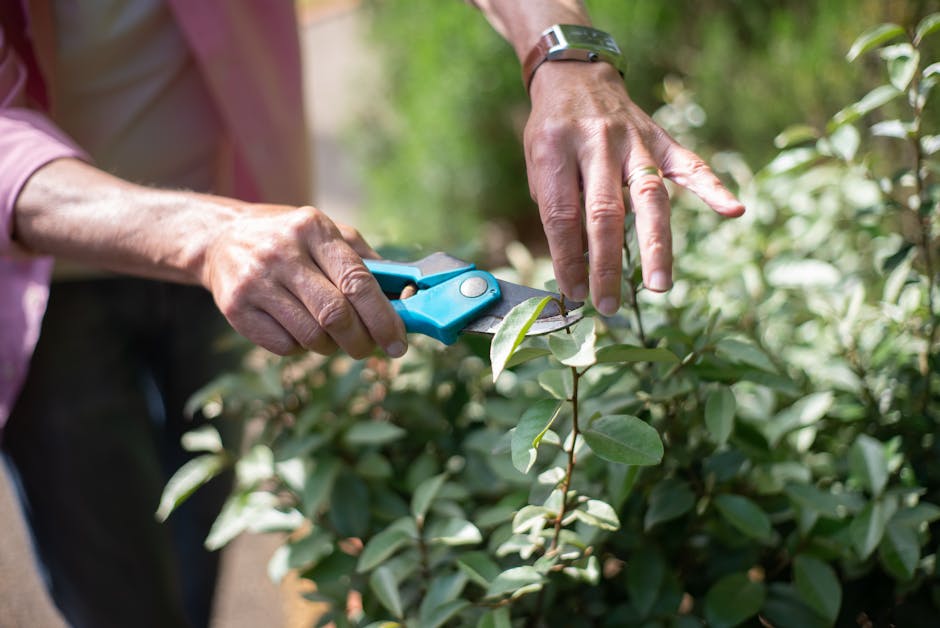
Common mistakes when hiring gardeners in Rotherhithe
Hiring a gardener sounds simple enough. You need the lawn cut, the hedge tidied, maybe a tired corner of the garden brought back to life. But in practice, the common mistakes when hiring gardeners in Rotherhithe can lead to messy work, poor communication, surprise costs, and a lot of back-and-forth that nobody has time for. If you live locally, you also know gardens here can be a bit varied: compact courtyards, shaded plots, shared access, and the odd overgrown patch that looks fine from the kitchen window until you step outside. This guide walks through the mistakes people make, why they happen, and how to avoid them without overcomplicating the process.
Whether you need one-off help or ongoing garden maintenance, the aim is the same: choose a gardener who understands the job, respects your space, and delivers steady results. Not flashy. Just competent, reliable, and properly prepared.
Table of Contents
- Why hiring the right gardener matters
- How the hiring process usually works
- Key benefits of avoiding bad hiring decisions
- Who this advice is for
- Step-by-step guidance
- Expert tips for better results
- Common mistakes to avoid
- Tools, resources and recommendations
- Law, compliance, standards and best practice
- Options, methods and comparison table
- Case study or real-world example
- Practical checklist
- Conclusion
- Frequently asked questions
Why hiring the right gardener matters
A good gardener does more than cut grass or trim a hedge. They protect plant health, keep outdoor areas usable, and help your garden develop in a sensible way over time. A poor hire can do the opposite. They may scalp the lawn, cut shrubs at the wrong time, leave waste behind, or rush through a job because they underestimated the access, the scope, or the weather. And in a place like Rotherhithe, where gardens can be close to homes, paths, fences, and shared boundaries, those mistakes become visible fast.
It also matters because garden work is not always straightforward. A neat-looking job can hide weak pruning, uneven cuts, damaged edging, or skipped clearance. You might only notice two weeks later when the lawn goes patchy or the hedge starts looking lopsided. That is frustrating, and avoidable.
Practical takeaway: the right hire saves time twice - once on the job itself, and again by avoiding the need to fix mistakes later.
Good gardening work should feel calm and orderly. If you are chasing updates, cleaning up after the team, or wondering whether they understood the brief, something has already gone wrong.
How hiring a gardener usually works
Most people start with a rough idea of what they want done. Maybe it is weekly mowing, a hedge trim, a one-off garden clearance, or a bigger refresh involving landscaping or decking. Then comes the enquiry, a quote, and usually a site visit or at least a clear discussion of the garden's condition. Simple enough, but this is where many problems start.
A reliable gardener will normally ask about access, parking, waste removal, timing, and what kind of finish you expect. If the work is more specialist, they should also explain what is included and what is not. For example, hedge trimming is not the same as full reshaping; garden clearance is not the same as ongoing maintenance; and tree work needs a different level of caution again. The point is not to be picky. It is to avoid misunderstandings before the first tool comes out.
There is usually a rhythm to it: enquiry, quote, agreement, work carried out, and aftercare if needed. Sounds obvious, yes, but a lot of headaches happen when one of those steps is skipped or rushed.
Key benefits of avoiding bad hiring decisions
Choosing well gives you more than a tidy garden. It brings consistency, clearer communication, and a better sense that the work is being handled by someone who knows what they are doing. That matters whether you want a small courtyard kept sharp or a larger plot brought under control.
- Better value for money: a well-scoped job reduces waste and rework.
- Cleaner results: proper pruning, mowing, and clearance make the garden look finished, not just "done".
- Less stress: you are not constantly checking whether the work matches the quote.
- Safer outcomes: especially where ladders, tools, heavy debris, or tree work are involved.
- Healthier outdoor spaces: plants and turf are less likely to be damaged by rough handling.
To be fair, people often focus on price first. That is understandable. But price alone does not tell you whether the gardener understands the work, communicates clearly, or can handle the practical bits like waste disposal and safe access. Those are the details that make the difference.
Who this is for and when it makes sense
This advice is for homeowners, landlords, tenants, property managers, and anyone responsible for an outdoor space in Rotherhithe. It is especially useful if you:
- have not hired a gardener before
- have had unreliable help in the past
- need regular garden maintenance
- are planning one-off work such as hedge trimming, mowing, or clearance
- are comparing quotes and not sure what is actually included
- need a gardener for a space with tight access or neighbour sensitivity
If your garden is only a small patch behind a terrace, the mistake is often assuming the job is "too small to matter". It still matters. In fact, small spaces can be more demanding because every cut and every shortcut shows.
Step-by-step guidance
Here is a practical way to hire with fewer regrets. Nothing fancy. Just a sensible process that works.
- Define the job clearly. List what you want done, what the garden currently looks like, and what result you expect.
- Separate one-off work from ongoing care. A garden clearance, a lawn cut, and a maintenance visit are different jobs with different expectations.
- Ask about scope. Will waste be removed? Are materials included? Is plant disposal part of the fee?
- Check experience with the right service. A gardener who mainly mows lawns may not be the best fit for landscaping or landscape gardening.
- Talk about access early. Side paths, basement steps, shared entrances, parking, and timing can all affect the job.
- Ask about equipment and safety. Good practice matters, especially for ladders, sharp tools, and heavier work.
- Confirm the quote in writing. Even a simple written summary helps prevent "I thought that was included" moments later.
- Set expectations on timing. If your hedge is blocking light or your lawn needs urgent attention, say so plainly.
- Agree on tidy-up. A professional finish includes leaving the space presentable, not just cutting and leaving.
- Review after the first visit. If the first job goes well, great. If not, you have learned something quickly.
There is no need to overthink it, but do not skip the basics. A five-minute conversation at the start can save a very annoying afternoon later.
Expert tips for better results
If you want better results, think in terms of outcomes, not just tasks. "Cut the hedge" is a task. "Restore privacy without making the hedge look hacked at" is an outcome. That small shift changes the quality of the conversation straight away.
Be specific about the finish you want
Some people want a crisp, formal look. Others want a softer, more natural shape. If you do not say which one, the gardener will guess. And guessing is where half the problems begin.
Ask what they would do first
A seasoned gardener will usually describe a sequence: clear debris, assess growth, cut back selectively, then tidy and remove waste. If the answer sounds vague, that is worth paying attention to.
Check whether they understand seasonal timing
Different plants need different treatment at different times of year. You do not need to become a horticulturist, thankfully. But you should expect a gardener to know that some jobs are best done gently, not aggressively. Spring, especially, can expose rushed decisions very quickly.
Use photos if the job is remote or urgent
Sometimes you cannot show the garden in person right away. A few clear photos can help, but they are not a substitute for a proper conversation if the work is substantial. A photo can hide slopes, roots, access issues, or a patch of garden that looks fine from one angle and wild from another.
Ask about waste handling
Garden waste builds up fast. Bags of clippings, branches, soil, and old materials can become the most annoying part of the job. If waste removal matters, say so before the quote is agreed. If it does not, you may end up with a "finished" garden and a pile of leftovers. Not ideal.
Common mistakes to avoid
Here is the heart of it. These are the most common hiring mistakes people make when looking for gardeners in Rotherhithe, and most are avoidable.
1. Choosing on price alone
The cheapest quote can look tempting, especially if the garden has been neglected and you just want it sorted. But a low quote sometimes means reduced scope, rushed work, or extra charges later. Compare what is actually included, not just the headline figure.
2. Failing to explain the job properly
If you only say "tidy up the garden", the result may be tidy by one person's standards and disappointing by yours. Be precise. Mention lawn length, hedge height, borders, overgrowth, and any awkward areas.
3. Not checking whether the gardener has the right experience
Someone who is great at mowing may not be suitable for tree pruning, heavy clearance, or more involved landscaping. The skill set matters. Quite a lot.
4. Ignoring insurance and safety questions
You do not need a lecture on paperwork, but you do need confidence that the work will be handled responsibly. If a gardener is using ladders, power tools, or removing heavier waste, it is fair to ask how they approach safety and liability.
5. Assuming all waste removal is included
This catches people out all the time. Some gardeners include disposal; some do not. Some include only green waste, not mixed waste. Clarify it up front or you may end up arranging a second trip for the leftovers. Annoying, and very avoidable.
6. Forgetting to ask about access
Rotherhithe gardens can be awkward to reach. Narrow side access, shared pathways, parking restrictions, and neighbours' boundaries can all affect the job. A good gardener will want to know before they arrive. So should you.
7. Not agreeing the scope in writing
You do not need a legal document for every small job, but you do need a record. A message confirming the work, cost, and what is included can save a lot of awkwardness later.
8. Hiring for one job when you really need a broader plan
If your garden is generally neglected, a one-off cut may not be enough. Sometimes you need a phased approach: clearance first, then maintenance, then perhaps new planting or layout changes. A sensible gardener will tell you that rather than pretending one visit will fix everything.
9. Overlooking how the garden will look after the work
People often think about what will be removed, but not what will remain. After hedge trimming or pruning, will the garden still have shape and balance? After mowing, will the lawn be healthy or just short? That final look matters.
10. Forgetting to ask how complaints are handled
Most jobs go fine. Still, if something does go wrong, you want to know there is a process for raising it calmly. A proper business should be able to explain how concerns are handled. It is just good practice, really.
Tools, resources and recommendations
You do not need a shed full of kit to hire well, but a few simple tools help you judge quality.
- A notepad or phone notes: write down what you want done before getting quotes.
- Photos of the garden: useful for comparing before and after.
- A rough list of priorities: for example, "lawn first, then hedge, then waste removal".
- A quote comparison table: even a simple three-column note can reveal which provider is being clearer.
- Your own checklist: use it every time you hire, even if the job is small.
If you are looking for a broader service overview, it can help to review the services overview so you can match the job to the right type of work. For ongoing support, regular maintenance is often more effective than waiting until the garden becomes a full-scale rescue mission.
For bigger clear-outs after long neglect, garden clearance is usually the better starting point. For seasonal shaping and tidying, services like hedge trimming or lawn mowing may be all you need. Simple distinctions, but important ones.
Law, compliance, standards and best practice
This is not about turning a garden job into a legal seminar. But a few standards and responsibilities matter. If a gardener is using equipment, working at height, or removing larger branches, safe working practices should be part of the conversation. Insurance is also sensible to ask about, because accidents happen, even to careful people. Nobody wants drama over a broken fence panel or a damaged path, honestly.
There can also be practical considerations around neighbour boundaries, access, waste disposal, and noise. In a built-up part of London, these things are not just technicalities. They affect the whole experience. Best practice is simple: communicate clearly, agree the scope, and make sure the job can be completed without unnecessary risk or mess.
If you want to understand the company's approach to responsible working, pages such as health and safety policy, insurance and safety, and recycling and sustainability can help you gauge whether their values match your expectations. That is not just admin. It tells you how they work when nobody is watching.
Options, methods and comparison table
Different jobs need different approaches. Here is a quick comparison to make the decision-making a bit easier.
| Type of work | Best for | What people often get wrong | What to confirm |
|---|---|---|---|
| One-off tidy-up | Overgrown or neglected gardens | Assuming it includes everything | Waste removal, access, and finish level |
| Regular maintenance | Keeping lawns, borders, and hedges under control | Booking too infrequently | Visit frequency and task list |
| Hedge trimming | Privacy, shape, and boundary control | Not agreeing the final shape | Height, width, and clean-up |
| Lawn mowing | Routine lawn care and presentation | Letting grass get too long between cuts | Cut height, edging, and clipping removal |
| Landscaping work | Changing layout or improving function | Hiring someone without design or build experience | Materials, timeline, and aftercare |
If your project includes structural or surface changes, such as paving, borders, or timber features, you may also want to explore decking services as part of a larger garden plan. That said, keep it grounded. Not every garden needs a grand redesign. Sometimes it just needs attention from someone who knows where to cut and where to leave well alone.
Case study or real-world example
A typical scenario goes like this. A small Rotherhithe back garden has been left for a few months. The lawn is patchy and long, the hedge has started leaning into the path, and there is a build-up of cuttings and old plant pots at the far end. The owner wants "everything tidied" and asks for a quote without much detail.
One gardener quotes low and says it will be "no problem". Another asks for photos, checks access, and breaks the work into clear parts: clear the debris, mow and edge the lawn, trim the hedge carefully, and remove the waste. The second quote looks a bit higher at first glance, but it is more honest. On the day, the work runs smoothly because the scope was clear. No surprise charges, no guesswork, no awkward "that was extra" conversation at the end. Lovely, really - if garden work can be lovely.
The lesson is simple: the more specific you are at the start, the better the outcome tends to be. Not always perfect, because life is life, but much better.
Practical checklist
Use this before you hire. It takes a minute and can save a headache.
- Have I described the garden job clearly?
- Do I know whether this is a one-off job or ongoing maintenance?
- Have I checked what is included in the price?
- Have I asked about waste removal?
- Have I confirmed access, parking, and any tight spaces?
- Have I explained the finish I want?
- Have I asked whether the gardener has the right experience for this type of work?
- Have I discussed safety, insurance, and tidy-up expectations?
- Do I have a written summary of the agreed work?
- Have I chosen the right service page for the job, such as lawn mowing, hedge trimming, or garden clearance?
Quick summary: the best hire is not always the cheapest or the fastest. It is the one who listens properly, scopes the work clearly, and leaves your garden looking cared for rather than merely cut.
Conclusion
The most common mistakes when hiring gardeners in Rotherhithe are usually not dramatic. They are small, practical oversights: vague instructions, poor scope, unclear pricing, and assumptions about what the job includes. But those little mistakes are exactly what create bigger frustrations later. A bit of clarity at the start changes everything.
If you remember only one thing, make it this: choose a gardener who asks sensible questions, explains the work plainly, and respects the details. That is where trust starts. And once you have that, the rest tends to go much more smoothly.
If you're ready to compare options properly, take a look at the service information, review the standards behind the work, and then speak to the team with a clear brief in mind. Get a free quote today and see how much you can save.
After all, a well-kept garden should feel like a small relief every time you step outside. Even on an ordinary Tuesday.
Frequently Asked Questions
What is the biggest mistake people make when hiring a gardener?
The biggest mistake is usually hiring on price alone without checking what the quote actually includes. A low figure can hide limited scope, extra charges, or rushed work.
How do I know if a gardener in Rotherhithe is a good fit?
Ask how they would approach your exact garden, what is included in the price, and whether they have experience with the type of work you need. Clear answers are a good sign.
Should I choose a one-off visit or regular garden maintenance?
If your garden needs ongoing care, regular maintenance usually makes more sense. If it has become overgrown or cluttered, a one-off clearance may be the right starting point.
Do I need to explain access details before getting a quote?
Yes. Access, parking, and any narrow paths or shared entrances can affect time, cost, and equipment choices. It is best to mention them early.
Is waste removal normally included?
Not always. Some gardeners include it, some charge separately, and some only remove certain types of waste. Always confirm this before agreeing the job.
What should be in a gardening quote?
A clear quote should outline the work to be done, what is included, any exclusions, and whether waste disposal or materials are covered.
Why does local experience matter in Rotherhithe?
Local experience helps because gardens in the area can have tight access, close neighbours, and varied layouts. A gardener who understands that will usually plan better.
How can I avoid paying twice for the same job?
Write down the scope, agree the finish you want, and ask what is not included. That way, you reduce the chance of paying again to fix avoidable mistakes.
What if I need more than mowing or trimming?
If the garden needs reshaping, surfacing, or a bigger redesign, you may need landscaping or landscape gardening rather than a simple maintenance visit.
Are insurance and safety really worth asking about?
Yes. They matter more for jobs involving tools, ladders, heavy waste, or tree work. It is a simple question, and a sensible one.
How often should I hire a gardener?
That depends on the garden and how much upkeep you want to do yourself. Some people need weekly or fortnightly help, while others only book seasonal visits.
Where should I start if my garden is badly overgrown?
Start with a proper assessment and, if needed, a clearance visit. Once the garden is under control, maintenance becomes much easier to manage.