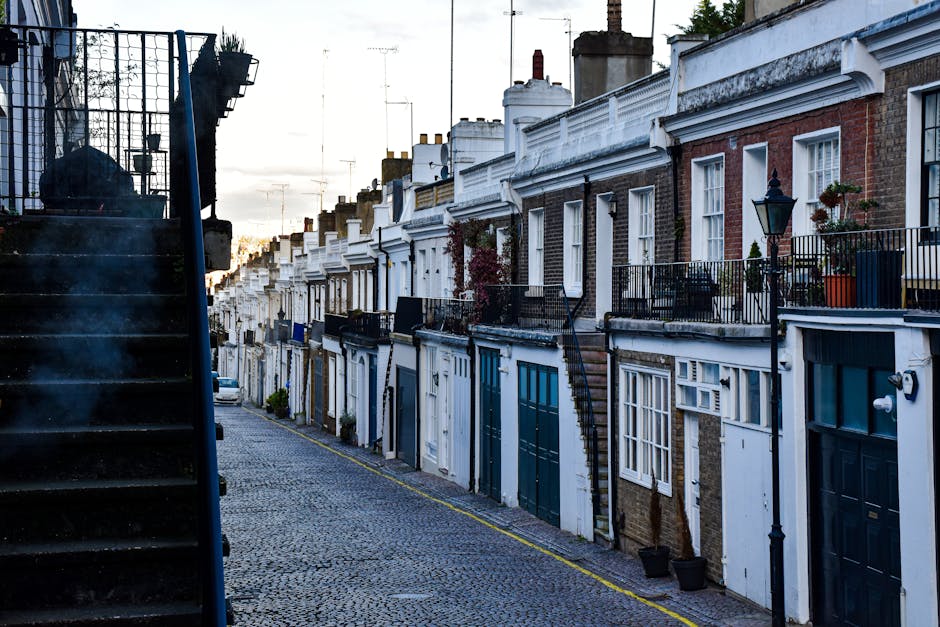
Gardeners Rotherhithe Village experts for terrace gardens
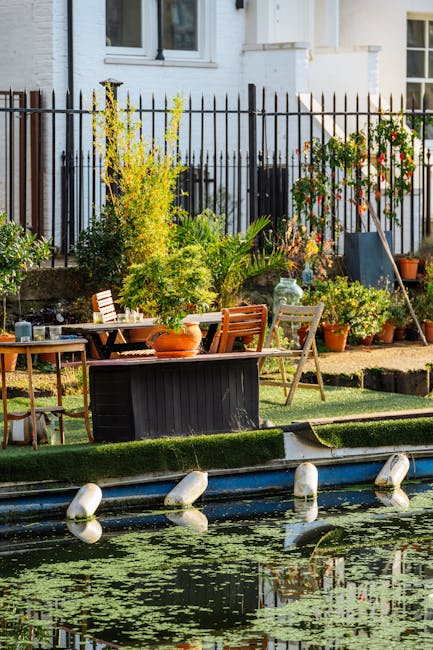
Terrace gardens can be lovely little pockets of calm, but let's face it, they are rarely simple. Wind bounces off nearby buildings, pots dry out faster than you expect, and a narrow space can feel cramped the moment you add a table, a few planters, and a chair you actually want to sit in. That is where Gardeners Rotherhithe Village experts for terrace gardens come in. The right approach turns a tricky outdoor space into something layered, low-fuss, and genuinely enjoyable to use.
If you live in or around Rotherhithe Village, you may already know the rhythm of the area: compact homes, hard surfaces, filtered light, and terraces that need clever planning rather than oversized ideas. This guide walks through what expert terrace-garden help looks like, why it matters, how it works, and what to expect if you are deciding whether to bring in a professional. It is practical, honest, and written for people who want a terrace that looks good without becoming a weekend headache.
Why Gardeners Rotherhithe Village experts for terrace gardens Matters
A terrace garden is not just a smaller version of a back garden. It behaves differently. The light may be patchy for much of the day, containers can heat up quickly in summer, and drainage has to be thought through properly or you end up with water sitting where it should not. In a place like Rotherhithe Village, the built environment often creates extra wind tunnels and shade pockets, which means plant choice matters more than people expect.
Experts in terrace gardening understand that the biggest wins usually come from modest, well-placed changes. A narrow seating area can feel spacious if sightlines are opened up. A bare wall can become a soft backdrop with climbers or vertical planting. Even a couple of well-chosen containers can change the whole mood. That sounds simple, but in practice it takes judgement.
There is also the question of maintenance. A terrace garden that looks beautiful in April can start to look tired by July if irrigation, soil choice, and seasonal trimming have not been planned. To be fair, most people do not want to spend every other evening deadheading or dragging watering cans about. Good gardeners design for real life, not fantasy.
One useful way to think about it is this: terrace gardening is part design, part horticulture, part problem-solving. If one of those bits is missing, the garden tends to show it. Fast.
How Gardeners Rotherhithe Village experts for terrace gardens Works
The process usually starts with a proper look at the space. Not a rushed glance. A good gardener will notice how the sun moves, where wind hits hardest, what the flooring is made from, and whether the terrace needs privacy as well as planting. You may think the issue is "more plants," but often the real need is structure.
From there, the work typically breaks into a few practical stages:
- Assessment: measuring the terrace, noting light levels, existing surfaces, access points, and any awkward corners.
- Planning: deciding whether the space needs screening, colour, year-round greenery, edible planting, or a mix of all four.
- Plant selection: choosing species that cope with pots, wind, shade, heat, and the level of care you can realistically give them.
- Installation: arranging containers, adding soil and compost, improving drainage, and setting out furniture or focal features.
- Maintenance: keeping growth in check, replacing tired seasonal plants, feeding, pruning, and adjusting the layout as the year changes.
Sometimes the biggest challenge is not the planting at all. It is the logistics. Carrying materials through a flat, up stairs, or along a shared access route can affect the whole plan. Good terrace-garden professionals factor that in early, so the job does not become a mess of plastic bags, heavy pots, and a lot of "we'll just make it work" energy. That usually ends badly, by the way.
On some projects, a gardener may work alongside broader outdoor improvement services. If the terrace needs more than planting, it can be worth reviewing the wider services overview to see how maintenance, landscaping, and hard landscaping can fit together without overcomplicating things.
Key Benefits and Practical Advantages
The obvious benefit is visual. A thoughtfully planted terrace looks more complete and more inviting. But the less obvious benefits are often the ones people end up valuing most.
- Better use of space: expert planning makes even a small terrace feel organised rather than crowded.
- More privacy: tall planting, trellis systems, and layered containers can soften neighbouring views without making the space feel boxed in.
- Lower stress: a manageable planting scheme is easier to maintain and far less likely to become a weekend burden.
- Year-round interest: mixing evergreen structure with seasonal colour keeps the terrace looking alive beyond one good month in spring.
- Improved plant survival: the right compost, drainage, and pot size reduce the chance of avoidable losses.
- Better comfort: wind buffering, seating placement, and shade planning make the terrace usable for longer periods.
There is also a subtle quality-of-life effect. You step outside, the space feels intentional, and your mood shifts a little. That is not fluff. A terrace that works properly tends to get used properly, which is the whole point.
For people who want the garden to feel cohesive rather than pieced together, combining planting with careful garden care can make all the difference. Regular garden maintenance is often the quiet hero here. Nothing dramatic. Just steady, smart upkeep that keeps the design from drifting.
Who This Is For and When It Makes Sense
This kind of service suits a wide range of people, but it is especially useful if any of the following sound familiar:
- You have a terrace, roof terrace, patio, or narrow courtyard that needs structure.
- You want planting that looks good without demanding constant attention.
- You have tried pots and planters before, but they dried out, toppled, or looked oddly random.
- You need privacy from neighbouring windows or shared outdoor sightlines.
- You want a greener space but do not want to start from scratch alone.
- You are short on time and would rather have a plan than a collection of half-finished ideas.
It also makes sense if you are preparing a property for sale or rental presentation. A terrace does not need to be extravagant to help a property feel better cared for. A neat, well-composed space can do a lot with very little. Truth be told, buyers and tenants often notice the outdoor area sooner than people expect, especially in London where usable outdoor space is a real bonus.
If your terrace already has a mature shape but feels overgrown or tired, a blend of pruning, tidy-up work, and selective replanting may be enough. In more neglected cases, you may need clearance before anything else. The right team can help with garden clearance first, then rebuild the space in a cleaner, more intentional way.
Step-by-Step Guidance
Here is a straightforward way to approach a terrace garden project without losing the plot halfway through.
1. Look at how you actually use the space
Do you want somewhere for coffee, reading, entertaining, growing herbs, or simply looking out at something greener than paving? A terrace garden should support your daily habits, not fight them. If the furniture arrangement leaves you squeezing past plants every time you go out, the design needs work.
2. Check light, wind, and drainage
These three things shape everything else. Full sun terraces suit different planting from shady ones. Windy exposed spaces need tougher species and heavier containers. Drainage matters because potted plants hate sitting in water for long periods. You do not need to become a horticulture nerd overnight, but you do need to respect the basics.
3. Decide on the main job of the terrace
Is it for privacy? Colour? Low maintenance? Edible plants? All of those can work, but one should lead. A clear purpose keeps the design from becoming cluttered. For example, a terrace focused on privacy might use tall grasses, evergreen screening, and a few feature pots rather than dozens of mixed planters.
4. Choose plants that suit containers
Terrace planting is container planting, which means root space, watering frequency, and pot weight all matter. Good choices often include structural shrubs, ornamental grasses, compact perennials, herbs, and climbers. The trick is balancing looks with resilience. A plant that looks stunning in a magazine photo may sulk on a windy second-floor terrace. Nature can be a bit fussy like that.
5. Build layers, not clutter
One tall element, one mid-height layer, and one lower layer usually look better than a busy jumble. Think of the terrace in terms of backdrop, middle ground, and focal point. That gives the eye somewhere to rest.
6. Set up watering and maintenance
Container gardens need more watering than ground-level beds. If you are not home much, consider self-watering features, moisture-retentive compost, or a regular maintenance schedule. A good plan here saves a lot of frustration later.
7. Review after the first season
No terrace garden is finished the moment the last plant goes in. A season of observing tells you what really works. Maybe the south corner is hotter than expected. Maybe one planter blocks the path. Maybe the climber needs more support. That review stage is where a good garden becomes a great one.
Expert Tips for Better Results
Experts who regularly work on terraces tend to rely on a few simple habits that make a big difference. None of them are flashy, and that is exactly why they work.
- Use heavier pots where wind is an issue. Lightweight containers are handy, but they can move or tip if a terrace catches gusts.
- Mix evergreen and seasonal planting. Evergreens hold the structure; seasonal flowers carry the interest. You need both.
- Match the pot to the plant, not just the colour scheme. A beautiful pot with poor drainage is still a poor choice.
- Leave enough room to move. A terrace should feel restful, not like a plant obstacle course.
- Think vertically. Walls, trellis, and shelving can add greenery without stealing floor space.
- Plan for winter from the start. Terraces can look sparse in colder months if the design leans too hard on summer colour.
One small but important tip: do not underestimate repetition. Repeating one or two plant types across the space can make even a compact terrace look calmer and more expensive. Not in a showy way. Just quietly well put together.
If you are adding hard landscaping elements such as raised platforms or decking, it helps to think about durability and how the materials weather over time. A design that feels lovely in spring but becomes slippery or uneven later is not really a win. For more substantial surface work, some homeowners also review decking services as part of the overall plan.
Common Mistakes to Avoid
Terrace gardens often go wrong for predictable reasons. The good news is that most of them are avoidable.
- Using too many tiny pots: small containers dry out quickly and can make the space feel scattered.
- Ignoring the wind: a sheltered guess is not the same as a real assessment.
- Choosing plants for the label, not the site: a plant that suits a sunny border may not thrive in a narrow terrace.
- Forgetting drainage holes and runoff: standing water is a common and very frustrating problem.
- Overcrowding paths and seating: if the layout is awkward, people stop using the space.
- Expecting low maintenance to mean no maintenance: there is no truly hands-off garden. Sorry, but no.
- Leaving pruning too long: climbers and shrubs can get leggy fast in container settings.
Another trap is buying everything at once. It is tempting, especially in spring, when every garden centre display looks like a promise. But terraces usually improve with staged decisions. Start with structure, then layer in detail. That gives you room to adjust if something feels off.
Tools, Resources and Recommendations
You do not need a van full of kit to make a terrace garden work, but a few tools and materials make the job much smoother.
- Good-quality containers: choose stable pots with drainage holes and enough depth for the plant's roots.
- Moisture-retentive compost: especially useful on sunny terraces where pots dry quickly.
- Slow-release fertiliser: helpful for container planting that needs steady feeding.
- Watering can or hose access: the simpler the watering routine, the more likely it is to happen.
- Securing materials: ties, clips, or supports for climbers and taller plants.
- Pruning tools: clean secateurs and loppers for ongoing shaping.
If your terrace is part of a larger upkeep plan, a regular gardener can coordinate pruning, feeding, seasonal refreshes, and general tidying. That is often more efficient than reacting to issues one by one. You can also explore related services such as hedge trimming and lawn mowing if your outdoor space includes a wider garden or frontage that needs keeping in shape.
Some homeowners also want a more complete transformation rather than maintenance alone. In that case, looking at landscape gardening or broader landscaping can help connect the terrace to the rest of the property in a more coherent way.
Law, Compliance, Standards, or Best Practice
Terrace gardening is not usually a highly regulated activity, but there are still practical standards and responsibilities worth keeping in mind. Shared buildings, balconies, roof terraces, and communal access areas can all come with building rules or lease conditions that affect what can be installed. If you live in a managed property, it is wise to check before introducing heavy structures, drilling fixings into walls, or adding anything that may affect drainage or shared surfaces.
Safety matters too. Heavy planters, water storage, and elevated work areas should be handled properly, especially where access is tight. A reputable gardening service should take basic risk awareness seriously, use suitable equipment, and avoid unsafe shortcuts. That is just sensible practice, really.
For materials and work methods, good standards usually mean the following:
- secure placement of pots and screening so they are stable in wind
- clear drainage paths to avoid water pooling
- careful handling of tools, ladders, and lifting
- respect for neighbours and shared access spaces
- proper waste disposal and recycling where possible
If you are comparing providers, it is fair to ask about insurance, safety procedures, and how they handle waste. A little due diligence now saves awkward surprises later. You can also review the company's insurance and safety approach, along with the health and safety policy, if those details matter to you before a project begins.
Options, Methods, or Comparison Table
Different terrace-garden approaches suit different goals. Here is a simple comparison to help you think it through.
| Approach | Best for | Pros | Possible downside |
|---|---|---|---|
| Container-only planting | Small terraces and renters | Flexible, movable, easy to refresh | Needs regular watering and feeding |
| Screened terrace design | Privacy and comfort | Reduces overlooking, feels more enclosed and calm | Can feel cramped if overdone |
| Low-maintenance planting scheme | Busy homeowners | Less upkeep, cleaner look | May feel less lush in peak season |
| Full transformation | Properties needing a bigger update | Most cohesive result, stronger visual impact | Higher cost and more planning |
| Practical mixed-use terrace | People who sit, entertain, and garden a little | Balanced and livable | Requires careful layout so it does not feel crowded |
The right option is not the fanciest one. It is the one that fits the way you live. A terrace that suits a quiet morning coffee routine is built differently from one designed for summer socialising. Obvious, maybe, but it gets missed all the time.
Case Study or Real-World Example
A typical Rotherhithe Village terrace might start as a narrow paved space with a few tired pots, not much privacy, and a seating area that only really works if nothing is in the way. In one common scenario, the homeowner wants the terrace to feel greener but does not want a jungle. Fair enough.
The first step is usually a clean-out and reset. Old containers are removed, the floor space is freed up, and the gardener studies the light and wind exposure. Next, the design may introduce two or three strong container groups rather than lots of small loose pots. Tall planting is placed where it can soften sightlines, while lower herbs or flowering plants are used near the seating area for scent and detail.
In a case like this, a simple layout change can have a surprisingly big effect. Instead of walking onto the terrace and seeing clutter, you see structure. Instead of watering ten tiny pots individually, you care for a smaller number of better-chosen containers. The space starts to feel deliberate. That is the shift.
Often, the best results come after a few weeks of fine-tuning. A plant moved half a metre can suddenly make sense. A chair angled differently can open up the whole sightline. Small things, really, but they add up quickly.
For terraces that need more than plants, some homeowners combine the planting plan with selective trimming or clearance around the wider garden edge. If overgrowth is part of the issue, a tidy-up through garden clearance and follow-up care can reset the space without making it feel stripped bare.
Practical Checklist
Use this checklist before you start or commission work on a terrace garden:
- Measure the space and note access points.
- Check light levels through the day.
- Observe where wind hits hardest.
- Confirm drainage and runoff patterns.
- Decide the main purpose of the terrace.
- Choose a small set of strong plant types.
- Plan for privacy if overlooked.
- Leave enough room for walking and seating.
- Match containers to plant size and weight.
- Set up a watering and feeding routine.
- Think about winter appearance, not just summer colour.
- Confirm building or lease restrictions if relevant.
- Arrange waste removal or recycling for old materials.
- Book follow-up maintenance if you want the result to last.
If you can tick most of those boxes, you are already ahead of the game. And if a few are still fuzzy, that is normal. Better to work it out before buying six identical pots and hoping for the best.
Conclusion
Terrace gardens in Rotherhithe Village reward good planning more than big budgets. With the right balance of structure, planting, maintenance, and local know-how, even a compact outdoor space can become a place you actually want to spend time in. The best results usually come from expert judgement: choosing plants that cope with the conditions, designing for movement and comfort, and keeping the whole thing practical from day one.
If you are looking at your terrace and thinking it feels a bit underpowered, that is often the perfect moment to do something about it. Not everything needs a full transformation. Sometimes a careful reset, a few smarter choices, and steady upkeep are enough to make the space feel like it finally belongs to the home.
Get a free quote today and see how much you can save.
For more about the team behind the service, you can also read the about us page, or explore current pricing and quotes if you are planning a project. If sustainability matters to you, the site also covers recycling and sustainability, which is often a nice extra when clearing old pots and plant waste.
Frequently Asked Questions
What do Gardeners Rotherhithe Village experts for terrace gardens actually do?
They assess the terrace, plan the layout, choose suitable plants and containers, install the design, and handle ongoing maintenance so the space stays attractive and manageable.
Is a terrace garden harder to maintain than a normal garden?
Usually, yes. Containers dry out faster, wind can be harsher, and the space often needs more thoughtful plant choice. The good news is that a well-designed terrace can be easier to manage than a poorly planned larger garden.
What plants work best on a windy terrace?
Tough, container-friendly plants with sturdy stems tend to do best. Structural grasses, evergreen shrubs, and compact perennials are often better choices than delicate, floppy varieties.
Can a small terrace still feel private?
Absolutely. Privacy can be improved with tall planters, climbers, screening, and careful arrangement of seating. You do not need to wall the space off completely to make it feel secluded.
How often does a terrace garden need watering?
It depends on the weather, the size of the pots, and the plants chosen. In hot or windy periods, containers may need watering more than once a day. In cooler months, much less. There is no fixed rule that suits every terrace.
Is terrace gardening suitable for renters?
Yes, as long as the design is flexible and does not involve permanent changes you are not allowed to make. Freestanding planters, portable screening, and container planting are often a good fit.
What is the biggest mistake people make with terrace gardens?
Overcrowding. People often buy too many small items and lose the sense of space. A cleaner layout nearly always looks better and is easier to maintain.
Do I need a full landscaping project or just planting help?
If the terrace mainly needs plant selection, layout, and upkeep, planting help may be enough. If the surfaces, drainage, or structure need work too, a broader landscaping approach may be the better fit.
How can I keep a terrace garden looking good in winter?
Use evergreen structure, tough containers, and plants with winter shape or texture. A terrace that relies only on summer flowers can look empty once the season turns.
Should I clear everything out before starting again?
Not always. Sometimes a selective refresh is better than a full reset. But if the terrace is cluttered, unhealthy, or difficult to work with, a clearance-first approach can make the redesign much smoother.
How do I know whether a gardener is the right fit for terrace work?
Look for someone who talks clearly about light, wind, drainage, maintenance, and practical layout, not just pretty plants. Terrace gardens need real-world thinking. If the advice sounds vague, that is usually a sign to keep looking.
Can terrace gardens include herbs or edible plants?
Yes, and they often do well in containers if the light levels are right. Herbs, salad leaves, and compact fruiting plants can all work, though they usually need regular watering and feeding.
Sometimes the best garden is the one that fits your life quietly and well. That is the sweet spot, and it is worth aiming for.